Damage Survey of the Noto Peninsula Earthquake (January 1, 2024)
Mitigating Liquefaction Damage with the TNF Method
Following the Noto Peninsula Earthquake, we conducted an on-site damage survey in affected blocks in Niigata City.
While many cases of liquefaction damage were reported, buildings constructed with the TNF method showed little to no settlement, minimizing damage to the structures.
- Share this article
Overview of the Noto Peninsula Earthquake (Niigata City)
Date and time: Around 16:10 on January 1, 2024
Epicenter: Noto Region, Ishikawa Prefecture
Magnitude: 7.6 / Maximum seismic intensity: 7
Damage in Niigata Prefecture
- Seismic intensity of 5+ to 6− was observed in Niigata City and other areas.
- Building damage was particularly severe in Niigata City, accounting for a large share of the total number of damaged buildings in the prefecture.
Housing Damage (Prefecture-wide)
- Completely destroyed: 109 buildings
- Partially destroyed: 4,122 buildings (including within Niigata City)
- Partially damaged / other damage: Numerous reports
Overview of Liquefaction Damage
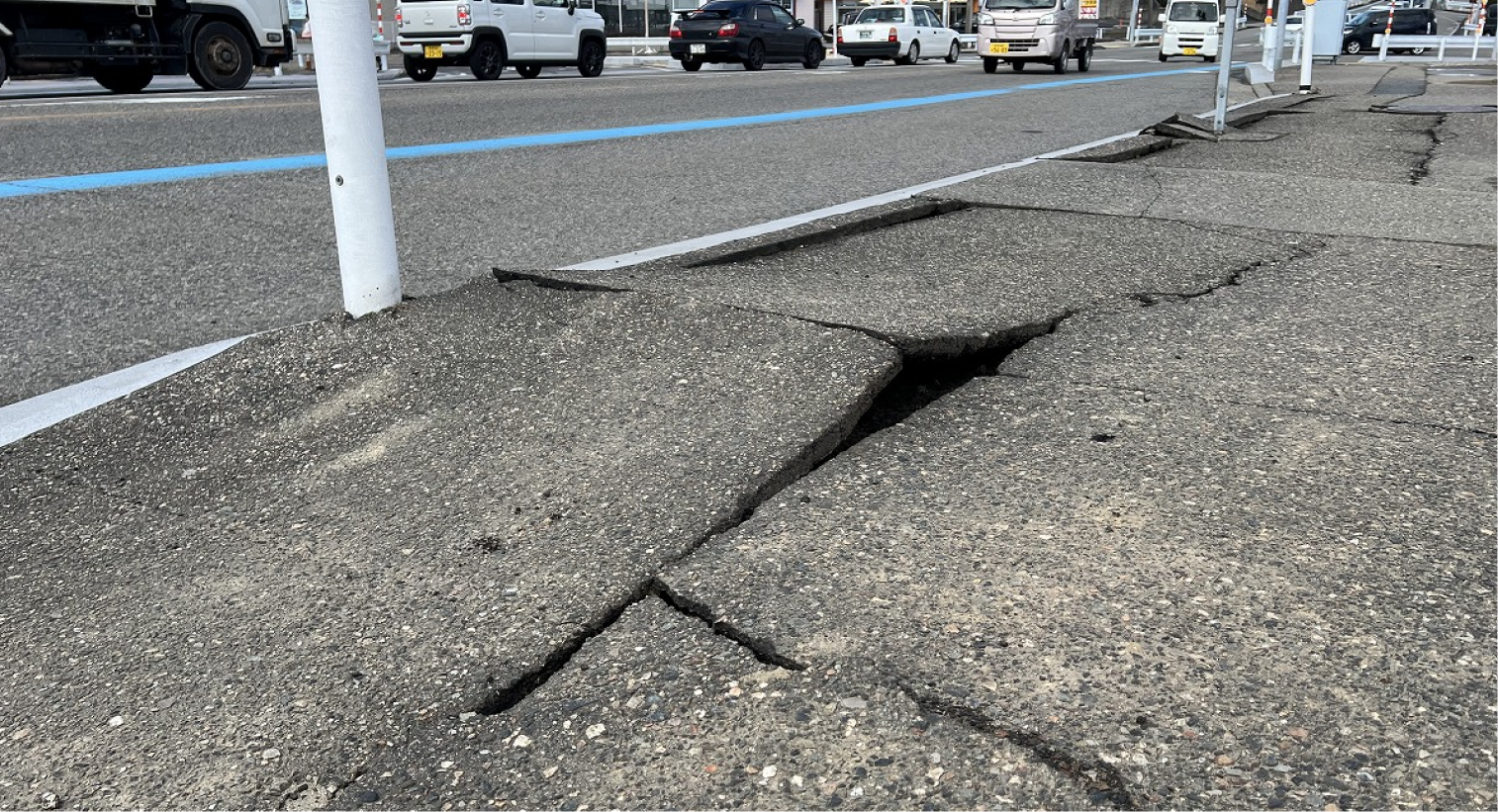
- Widespread liquefaction occurred mainly in Nishi Ward and Konan Ward of Niigata City.
- Damage such as settlement and tilting was confirmed on roads, residential land, and buildings.
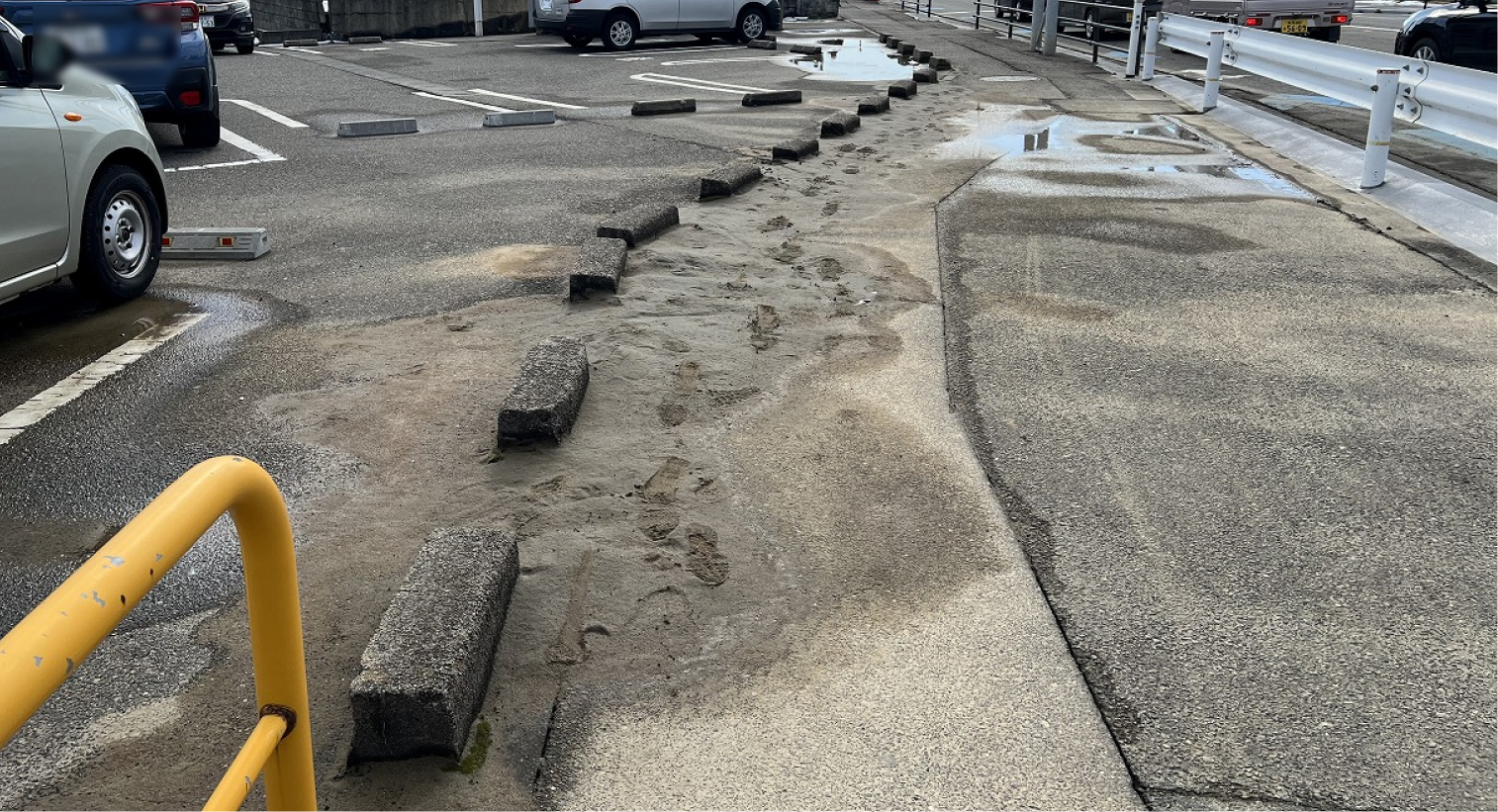
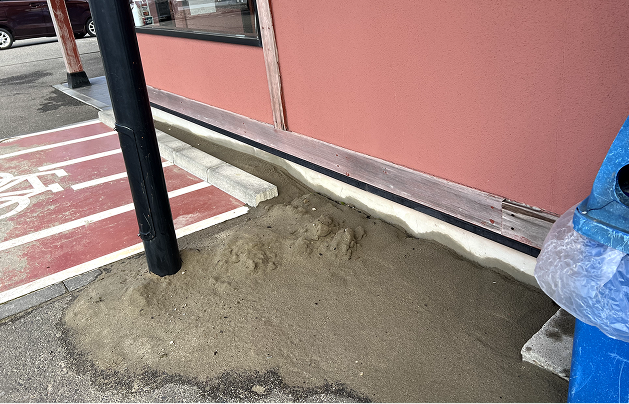
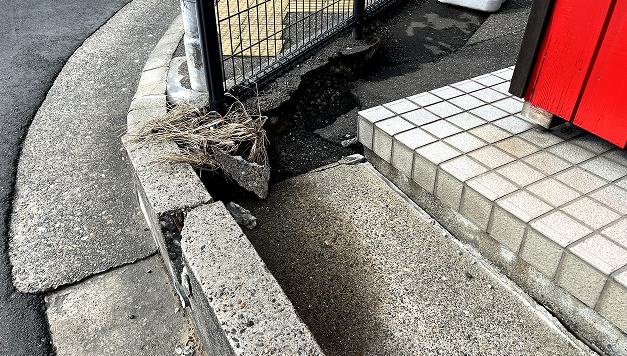
Sand boils and cracks caused by liquefaction
Damage Comparison: TNF Method vs. Conventional Methods
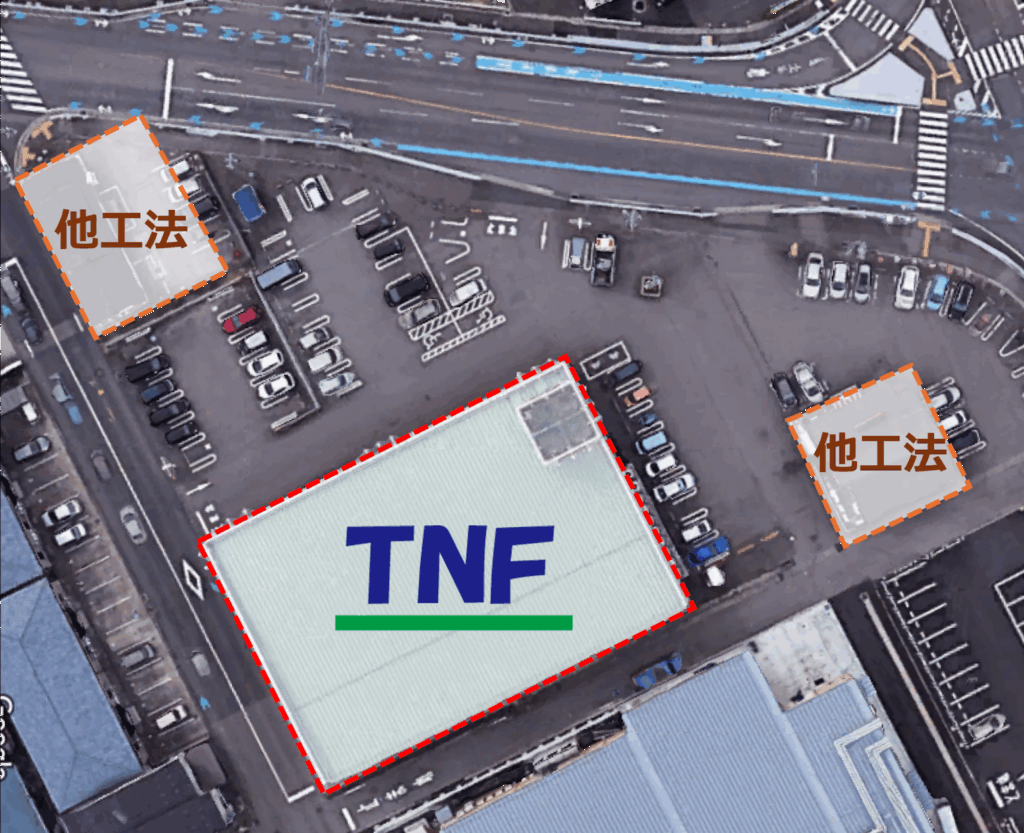
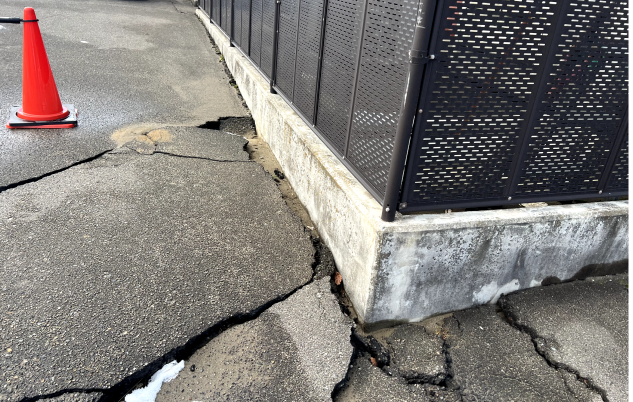
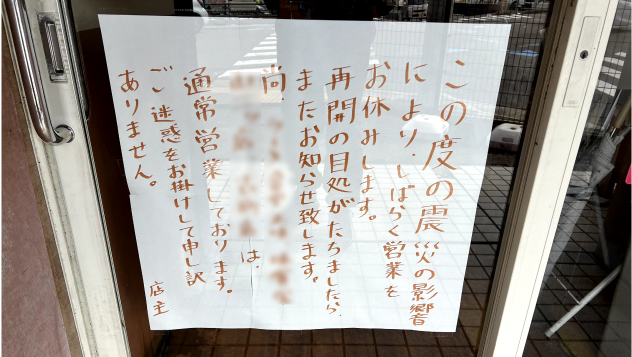
We conducted an on-site comparative survey in affected areas of Niigata City following the Noto Peninsula Earthquake, comparing buildings constructed with the TNF method and buildings using conventional methods.
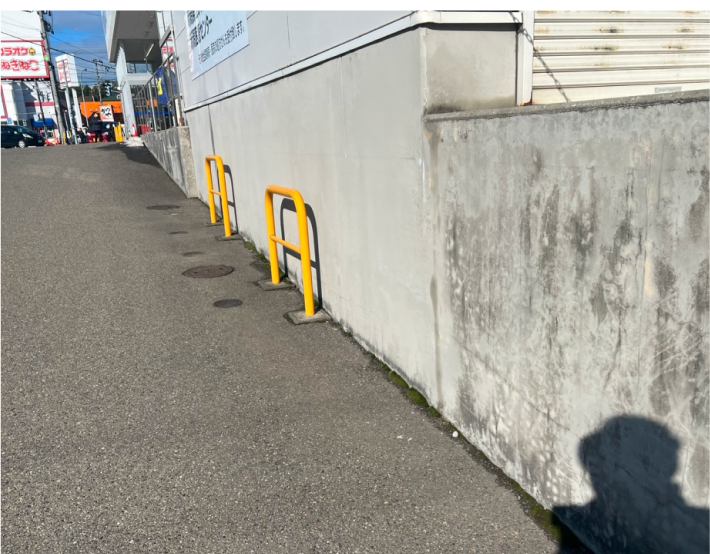
Despite widespread reports of liquefaction damage, we confirmed that buildings using the TNF method showed little to no ground settlement, effectively minimizing structural damage.
Building Using Other Methods (1)
Building Using Other Methods (2)
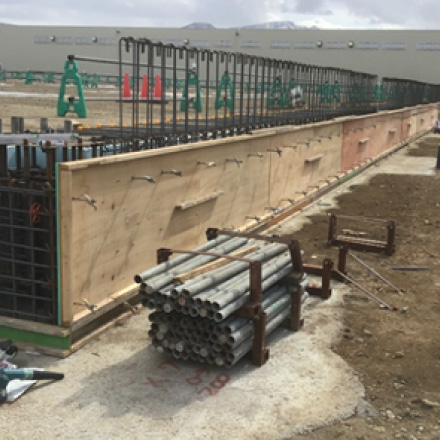
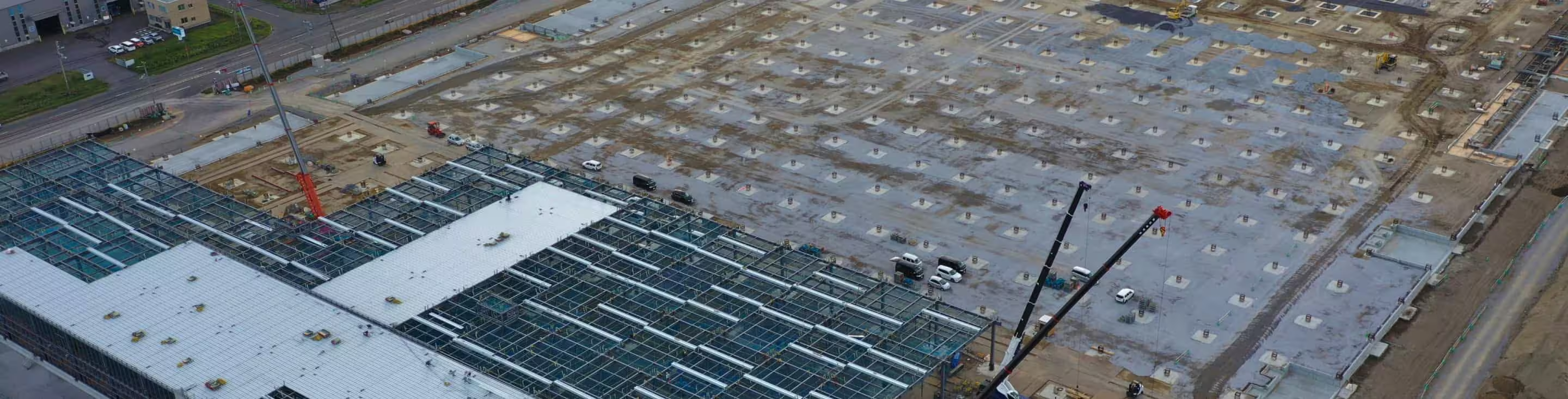
Building Using the TNF Method
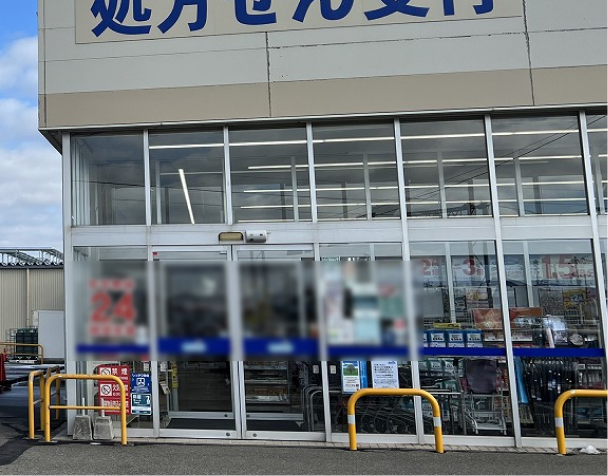
*Project Information
| Project Type | Construction Period | Improved Area (m2) | Improvement Volume (m3) | Building Scale | Structure Type |
| Retail Store (Drugstore) | March 2011 | 1,348 | 1,835 | Single-story | Steel structure (S structure) |
Damage to Exterior Areas and Next Steps
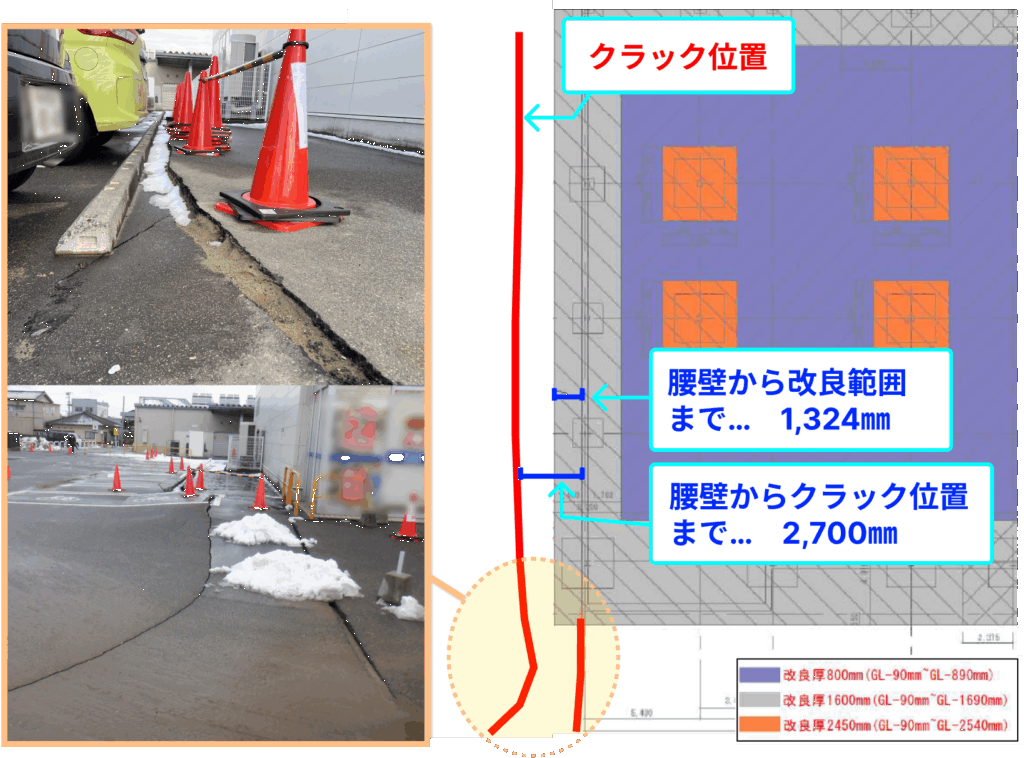
While there was little to no damage to the building itself, cracks caused by ground settlement occurred in exterior areas (such as the parking lot) outside the TNF improvement zone.
This survey demonstrated the effectiveness of the TNF method in mitigating liquefaction damage, and also clarified that expanding the improvement area to include exterior zones can further reduce damage across the entire site.